Is Study Abroad Right for You?
Studying abroad can open doors to incredible adventures, cultural discoveries, and academic achievements. In my own life, pursuing graduate degrees abroad in China and the United Kingdom, along with short-term study trips to Spain and Costa Rica, have profoundly shaped my worldview and career. Now, working full-time as a university lecturer, I enjoy supporting students with their international education aspirations. Combining my personal experience with professional expertise, I've outlined five important considerations to guide anyone interested in pursuing education abroad to ensure their experience is both rewarding and transformative.
1) Why Do You Want to Study Abroad?
Before diving into the exciting endeavor of studying abroad, pause and reflect carefully: Why am I doing this? Each person has distinct motivations—maybe it's an adventurous spirit, the desire to master another language, ambitions of obtaining a specific degree, or perhaps a mix of these aims. Studying abroad may also offer the chance to gain work experience, helping build career-related skills along the way. Clarifying your purpose in the beginning is essential because it provides a clear framework for decision-making. A well-defined goal helps streamline the planning process, from choosing the country and institution to determining the ideal duration of your stay. Without your "why," you may feel overwhelmed by options or miss valuable opportunities aligned with your true interests. By setting a clear purpose, you lay the foundation for an experience abroad that is personally meaningful and professionally rewarding.

Students cheer at Oregon football game. Photo: Kai Kanzer/Emerlad
2) What's Your Preferred Duration for Studying Abroad?
Before choosing your study abroad path, ask yourself: How long am I comfortable being away from home? Program lengths differ greatly—ranging from short experiences, like summer language intensives or one-semester exchanges, to full degree programs of three or more years. Knowing how long you'd prefer to stay abroad is essential for proper planning, emotional readiness, and achieving your study goals. Choosing a duration that suits your comfort level and objectives ensures you'll have a satisfying international educational experience.
3) How Can You Manage the Cost of Studying Abroad?
One of the biggest questions students ask about studying abroad is: How expensive will it be? While it can be costly, the total expense depends on two key factors: tuition fees and cost of living. For example, Germany and Norway offer free or low-cost tuition at public universities. However, both countries have relatively high living expenses—so the savings on tuition may be offset by everyday costs. On the other hand, countries like Spain and Italy may charge moderate tuition fees, but their overall cost of living tends to be lower than Northern Europe. Considering both financial factors together gives a more complete picture into the estimated costs of going abroad.

Welcome day at Peking University’s summer language school. Photo: Huang Yumei
4) Have You Thought About Your Visa Requirements?
One essential but often overlooked question before studying abroad is: Will I need a visa, and how complicated is the process? Getting a visa can be intimidating—requiring paperwork, fees, and sometimes long waits. While this can be especially daunting if your passport isn’t considered particularly strong, visa-free travel options for short-term programs can help ease that burden. For instance, U.S. passport holders can study in countries like Spain for up to 90 days without a visa. However, securing a long-term study visa also has major benefits, providing greater travel freedom and the comfort of knowing your legal status abroad is secure.
5) Are You Prepared for Challenges Abroad?
Before departing, it’s important to consider: How prepared am I to handle unexpected situations overseas? Studying abroad—whether briefly or long-term—inevitably brings challenges. Short-term students typically encounter simpler logistical hurdles, such as setting up a local SIM card, finding the best hostel, or navigating public transportation. Long-term students, meanwhile, may face more complex tasks like opening bank accounts, renting apartments, or understanding residency paperwork. Studying abroad is a journey, and the way you prepare and adapt along the way matters just as much as the destination.
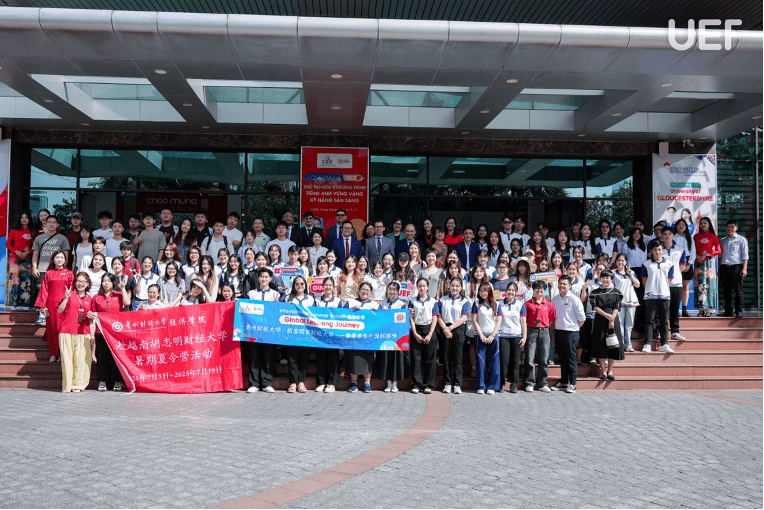
The Ho Chi Minh City University of Economics and Finance welcomes exchange students from Guizhou, China.
Conclusion
Choosing to study abroad represents not just an educational decision, but a commitment to personal growth, global understanding, and lifelong memories. As you consider this exciting path, remember to clarify your goals, decide how long you'll study abroad, carefully assess your financial options, familiarize yourself with visa requirements, and embrace the unexpected with openness and curiosity. While each step requires thoughtful preparation, the result of your studies is likely to be immensely rewarding. When you’re ready, the world is your oyster.

Alexander Parini is an academic, writer, and international relations specialist based in Ho Chi Minh City, Vietnam. He serves as a lecturer and senior international relations officer at the University of Economics and Finance. Alexander is an active member of the American Chamber of Commerce in Vietnam and the Council of Taiwanese Chambers of Commerce in Vietnam (Ho Chi Minh City Branch). He currently serves as the chair of AmCham Vietnam’s Education and Training Committee.
He is active on both LinkedIn and X (Twitter).
Sponsored: Planning to study in the United States?
ARP Education supports students applying to undergraduate programs in the United States, with guidance on university selection, application strategy, essays, and scholarships.

Learn more or get in touch → ARP Education
Website: arpeducation.com | Email: info@arpeducation.com